
Drywall Ceiling VS Drop Ceiling
If you are deciding between a drywall ceiling and a drop ceiling, the better choice depends on the room, the condition of the framing, and what you need access to later. Both have a place. They solve different problems.
FAQ QUESTION
MrWalls Drywall & Painting
3/25/20264 min read

Drywall Ceiling VS Drop Ceiling
If you are deciding between a drywall ceiling and a drop ceiling, the better choice depends on the room, the condition of the framing, and what you need access to later. Both have a place. They solve different problems.
At MrWalls Drywall & Painting, we repair and install drywall ceilings, patch damaged sections, and finish ceilings so they are ready for primer and paint. We also get calls from homeowners trying to decide whether a drywall ceiling makes more sense than a drop ceiling.
What Is a Drywall Ceiling?
A drywall ceiling is a fixed ceiling surface. The drywall gets fastened to the framing, taped at the seams, finished with joint compound, sanded, primed, and painted.
This type of ceiling gives a solid, built in look. It is common in bedrooms, living rooms, hallways, kitchens, and most finished rooms in a home.
What IS a Drop Ceiling?
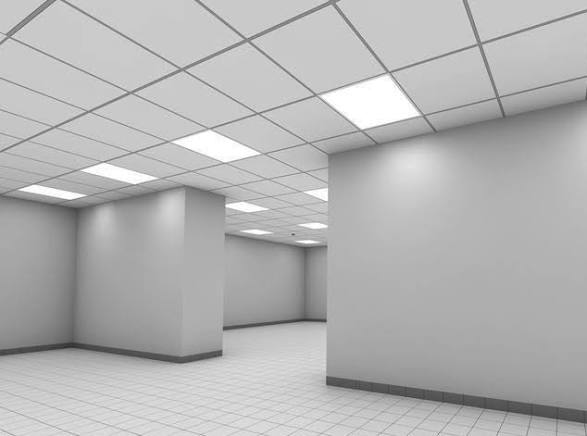
A drop ceiling uses a suspended grid with lay in ceiling tiles. The grid hangs below the framing, and the tiles sit inside it.
This type of ceiling is common in basements, utility areas, offices, and rooms where people want easy access to pipes, ducts, or wiring above the ceiling.
Drywall Ceiling Looks More Finished
A drywall ceiling usually gives a cleaner look in a finished room. It works better when you want the ceiling to feel like part of the house, not a utility space.
Once it is finished and painted well, it blends into the room more naturally. This matters in living spaces where you want a clean ceiling line and a surface that does not look segmented.
Drop Ceiling Gives Easier Access
A drop ceiling has one big advantage. Access.
If the room has plumbing, wiring, shutoffs, duct runs, or future work above the ceiling, drop ceiling tiles can be removed without cutting into drywall. That is a practical reason many basements and lower level rooms use them.
In a room where access matters more than appearance, that can be the better choice.
Drywall ceiling usually feels more permanent
A drywall ceiling becomes part of the room. It does not shift tile by tile. It does not leave visible grid lines. It gives you one finished surface across the space.
That is often why homeowners choose drywall when finishing a family room, bedroom, or main living area.
Drop Ceiling Lowers the Ceiling Height More
A drop ceiling hangs below the framing, so it usually takes away more height than drywall fastened right to the joists. In a basement with low headroom, that matters.
If ceiling height is already tight, drywall often makes better use of the space.
Repairs Are Different
Drywall ceiling repairs usually involve patching, retaping seams, replacing damaged sections, and finishing the surface so it is ready for paint.
Drop ceiling repairs are often simpler if the issue is just a stained or broken tile. You can replace one tile and move on. If the grid is damaged or sagging, that is a different repair.
This is one reason some homeowners like drop ceilings in areas where leaks have happened before. A damaged tile is easier to swap out than cutting and patching drywall.
Moisture Matters
In a basement or lower level room, moisture history matters a lot. If the room has had leaks, plumbing issues, or high humidity, that should factor into the ceiling choice.
A drywall ceiling can work well in a basement when the space is dry and finished properly. If the room has a history of access needs or repeated utility work, a drop ceiling can make maintenance easier.
Sound and Feel in the Room
A drywall ceiling usually makes the room feel tighter and more finished. A drop ceiling changes the feel because of the grid pattern and tile layout.
Some people prefer that finished drywall look in a basement family room or home office. Others care more about easy access above the ceiling and are fine with the look of a suspended system.
Which One Makes More Sense in a Basement
In many basements, this is the real question.
A drywall ceiling often makes sense if the basement is being finished like the main part of the house and the utilities above the ceiling are not likely to need regular access.
A drop ceiling often makes sense if the basement has a lot of plumbing, wiring, shutoffs, or ductwork that may need to be reached later.
The best answer depends on how the room will be used.
What We Usually Tell Homeowners
If the room is a main living space and you want the best finished look, a drywall ceiling is often the better fit.
If the room is a basement utility area, or if access above the ceiling matters more than looks, a drop ceiling often makes more sense.
Sometimes the house even calls for both. Drywall in the finished areas. Drop ceiling in the utility or service areas.
Why Homeowners Call MrWalls Drywall & Painting
We get calls from homeowners with cracked drywall ceilings, stained ceilings, sagging sections, old repairs that show, and unfinished rooms that need a proper ceiling plan.
If you are trying to compare drywall ceiling vs drop ceiling, we can look at the room, the framing, the utilities above, and the kind of finish you want, then tell you what makes the most sense.
Need Help Choosing Between Drywall Ceiling VS Drop Ceiling
If you are deciding between a drywall ceiling vs drop ceiling, MrWalls Drywall & Painting can help. We install and repair drywall ceilings, patch damaged areas, and get ceilings ready for paint.
Send a few photos or contact us for an estimate. We will look at the room and tell you the next step.
Need New Ceilings?Get in touch.
Address
600 E Main St
Chicopee, MA 01020
Contacts
Installation |. Finishing. | Repair |. Popcorn Ceilings. |. Ceilings | Home | Terms of Service | Privacy Policy